Am I grieving enough?
Short answer: yes. Whatever you’re doing after a loved one’s passing is a form of grieving.
This is a question I resonate with–I’ve wondered for myself after a loved one’s death. I’ve heard it from many others. It cuts to the heart–what is grieving, even? Today was Week 3 of David Kessler and Hope Edelman’s Early Parent Loss Training, and I learned about how gender of the child and parent shapes the grieving experience, immediately after death and decades later.
Instrumental grief vs. intuitive grief
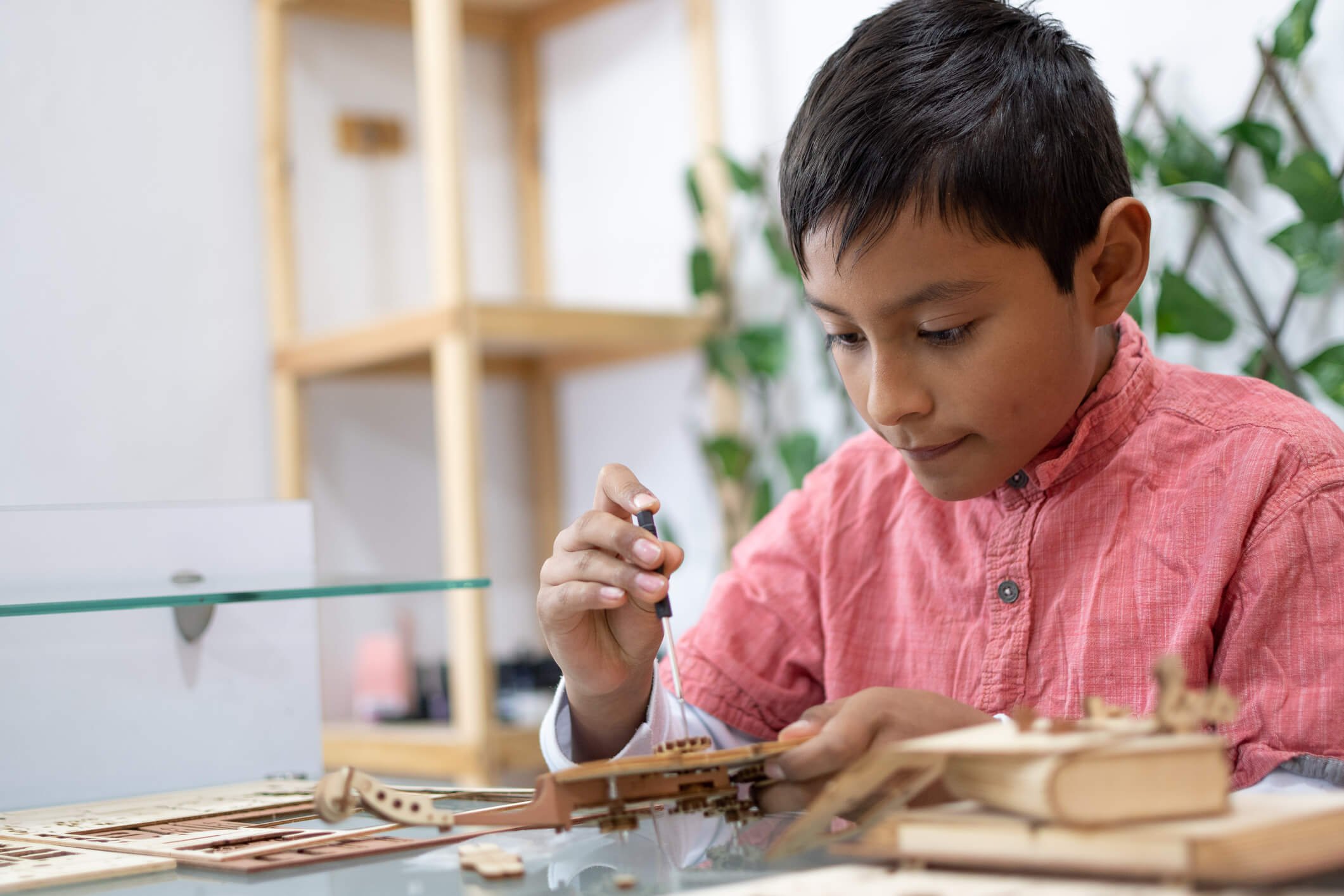
Hope Edelman distinguished between “instrumental grief” and “intuitive grief”. Hope places anything that someone does after their parent’s death as a grief reaction. Instrumental grief is purposeful activity with clear objectives, e.g. working on a project, playing a sport, research; this is historically associated with males. Intuitive grief is female-associated and is more verbal, relational and expressive.
“Allowable” grief
Much of this is shaped by cultural expectations of gender and what is “allowed” to be a grief reaction. Whatever the expression of grief is, perhaps what unites all forms is that the griever is trying to make sense of the loss, re-negotiate their identity and role in this parent-less landscape, and move forward with some semblance of purpose. The vacuum left by the deceased parent is palpable–the role modeling, their place in the household, the routines they set. How do we create space to name and hold all this?
Reflection Moment
How did you respond when a loved one died? What was more readily accepted as a grief response? What may have been trickier to identify as a grief reaction? How can you be more compassionate with yourself and others as you grieve?